Dry Eyes
Dry eye is one of the most common eye conditions in the world, and one of the most frustrating. When your eyes constantly burn, sting, feel gritty, or water for no reason, it affects everything — your ability to work, read, drive, and enjoy your day. If eye drops are only giving you temporary relief, ophthalmic acupuncture offers a different approach that targets the root cause rather than just managing the symptoms.
What Is Dry Eye?
Dry eye happens when your eyes either do not produce enough tears or the tears they produce do not work properly. Healthy tears are made up of three layers — oil, water, and mucus — and all three need to be in balance to keep the surface of your eye smooth, clear, and comfortable.
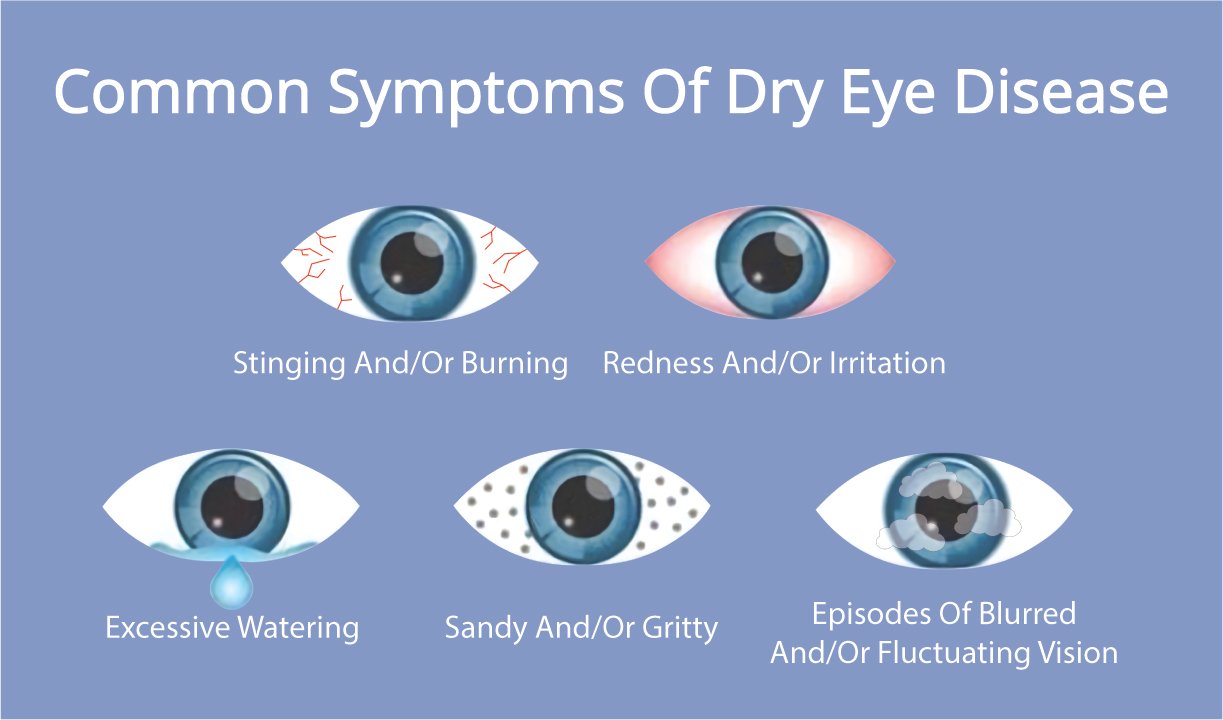
When that balance breaks down, the surface of the eye becomes irritated and inflamed. Common symptoms include:
- Burning or stinging
- A gritty or sandy feeling
- Excessive watering (your eyes overcompensate for dryness)
- Blurred vision that comes and goes
- Redness and irritation
- Sensitivity to light
- Tired eyes, especially after screen time
Dry eye can be caused by many things — prolonged screen use, aging, hormonal changes, contact lens wear, certain medications, autoimmune conditions like Sjogren’s syndrome, or environmental factors like dry indoor air and wind.
Most people start with artificial tears, which can ease symptoms briefly but wear off quickly. Long-term use of drops treats the symptom without addressing what is actually causing the dryness in the first place.
Why Dry Eye Is More Than Just a Surface Problem
Dry eye is often treated as a simple lubrication issue — your eyes are dry, so you add moisture. But in many cases, the problem runs deeper than the surface.
Chronic inflammation plays a major role. When the surface of the eye stays irritated over time, inflammation builds up in the tear glands and surrounding tissue, which makes them less effective at producing quality tears. This creates a cycle — dryness causes inflammation, and inflammation causes more dryness.
Poor circulation to the area around the eyes can also reduce the function of the glands responsible for producing the oil layer of your tears. Without enough oil, tears evaporate too quickly. Nerve function matters too — the nerves that signal your glands to produce tears can become less responsive, especially with extended screen use or aging.
This is why drops alone often fall short. They add moisture temporarily, but they do not address the inflammation, circulation, or nerve function that are driving the problem.
How Ophthalmic Acupuncture Treats Dry Eye
Ophthalmic acupuncture treats dry eye by addressing the underlying factors that cause it — not just the dryness you feel on the surface.
No needles are placed in or on the eyes at any point during treatment.
The acupuncture points used are located around the eyebrows, temples, and face, as well as on the arms and legs. The points near the eyes help improve circulation to the tear glands and reduce the local inflammation that impairs their function. The points further from the eyes support the nervous system and help restore the signaling that tells your glands to produce tears naturally.
Many patients notice their eyes feel more comfortable within the first few sessions. Over a course of treatment, the goal is to retrain the body to produce better quality tears on its own — reducing or eliminating your dependence on drops.
In our clinic, dry eye patients report less burning, less grittiness, fewer episodes of watering, and longer stretches of comfort throughout the day. Progress is tracked by monitoring your symptoms and, where relevant, working with your eye doctor’s findings on tear quality and quantity.
Results and What the Research Shows
A 2024 systematic review and meta-analysis published in Medicine analyzed 16 clinical trials involving 1,383 dry eye patients. The study found that acupuncture combined with artificial tears was significantly more effective than artificial tears alone — improving both tear stability and tear production.
A separate 2024 network meta-analysis reviewed 41 studies with 2,931 participants and found that acupuncture improved tear break-up time, tear production, and corneal surface health. The study also noted that long-term use of artificial tears alone can cause side effects including allergies, blurred vision, and eye pain — making acupuncture a valuable alternative for patients seeking lasting relief.
A 2025 review published in the International Journal of General Medicine confirmed that acupuncture treats dry eye through multiple pathways — reducing inflammation, stimulating tear production, and improving the nerve signaling that controls tear gland function.
In our clinic, patients consistently see improvement that goes beyond what drops alone were able to achieve. Results vary by individual, but for many patients ophthalmic acupuncture provides the lasting relief they had been looking for.
If you are dealing with chronic dry eyes and want to explore what ophthalmic acupuncture can offer, visit our Honor Vision Program page to learn how we can help.